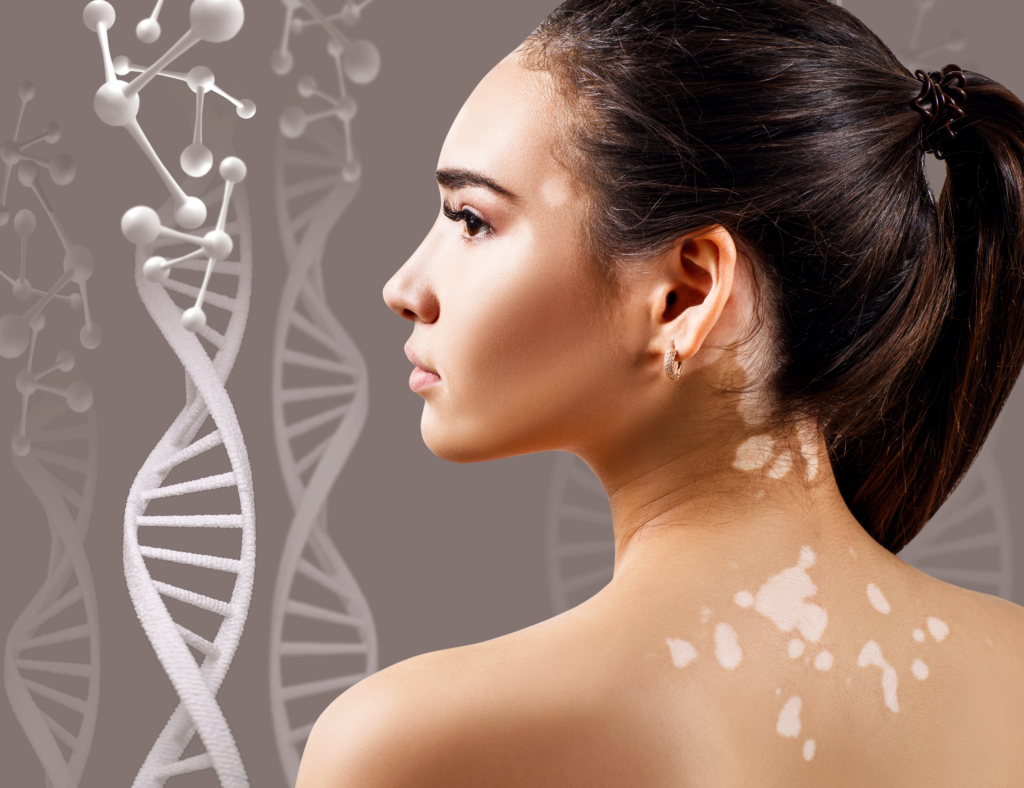
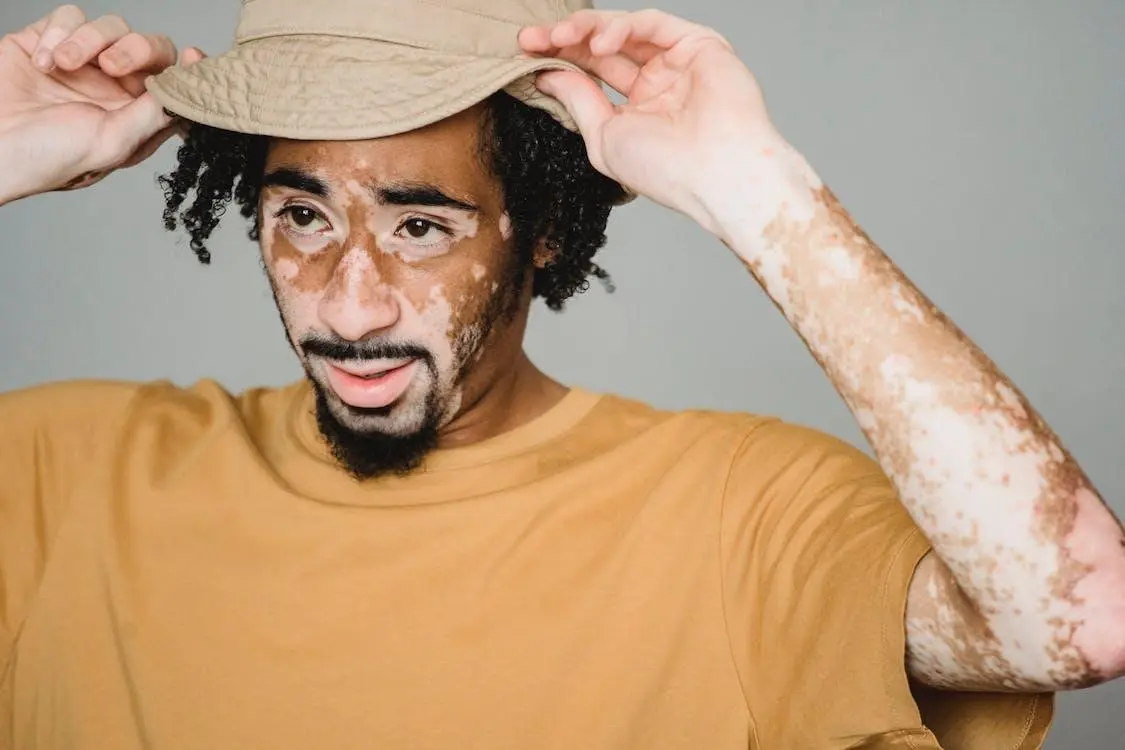
Vitiligo is a long-term skin condition characterized by the loss of pigmentation in patches.
It occurs when melanocytes, the cells responsible for skin color, are destroyed, leading to depigmented areas.
While vitiligo is not life-threatening or contagious, it can significantly impact a person’s self-esteem and emotional well-being.
What is Vitiligo?
Vitiligo is an autoimmune disorder in which the body’s immune system mistakenly attacks melanocytes, leading to the loss of skin color. It can affect any part of the body, including the face, hands, feet, and even hair and eyes. The condition affects people of all skin tones, but it may be more noticeable in those with darker skin.
Although the exact cause of vitiligo remains unknown, it is believed to result from a combination of genetic, environmental, and autoimmune factors.
Symptoms & Causes
Symptoms
• Premature graying of hair on the scalp, eyebrows, eyelashes, or beard
• Loss of color inside the mouth and nose
• Changes in eye color
Causes
• Autoimmune response: The immune system mistakenly attacks melanocytes.
• Genetics: A family history of vitiligo or other autoimmune diseases may increase the risk.
• Environmental factors: Stress, sunburn, or exposure to certain chemicals may trigger vitiligo.
• Neurogenic factors: Issues with nerve function may contribute to the condition.
Types of Vitiligo
Vitiligo is classified into different types based on the distribution of depigmented patches:
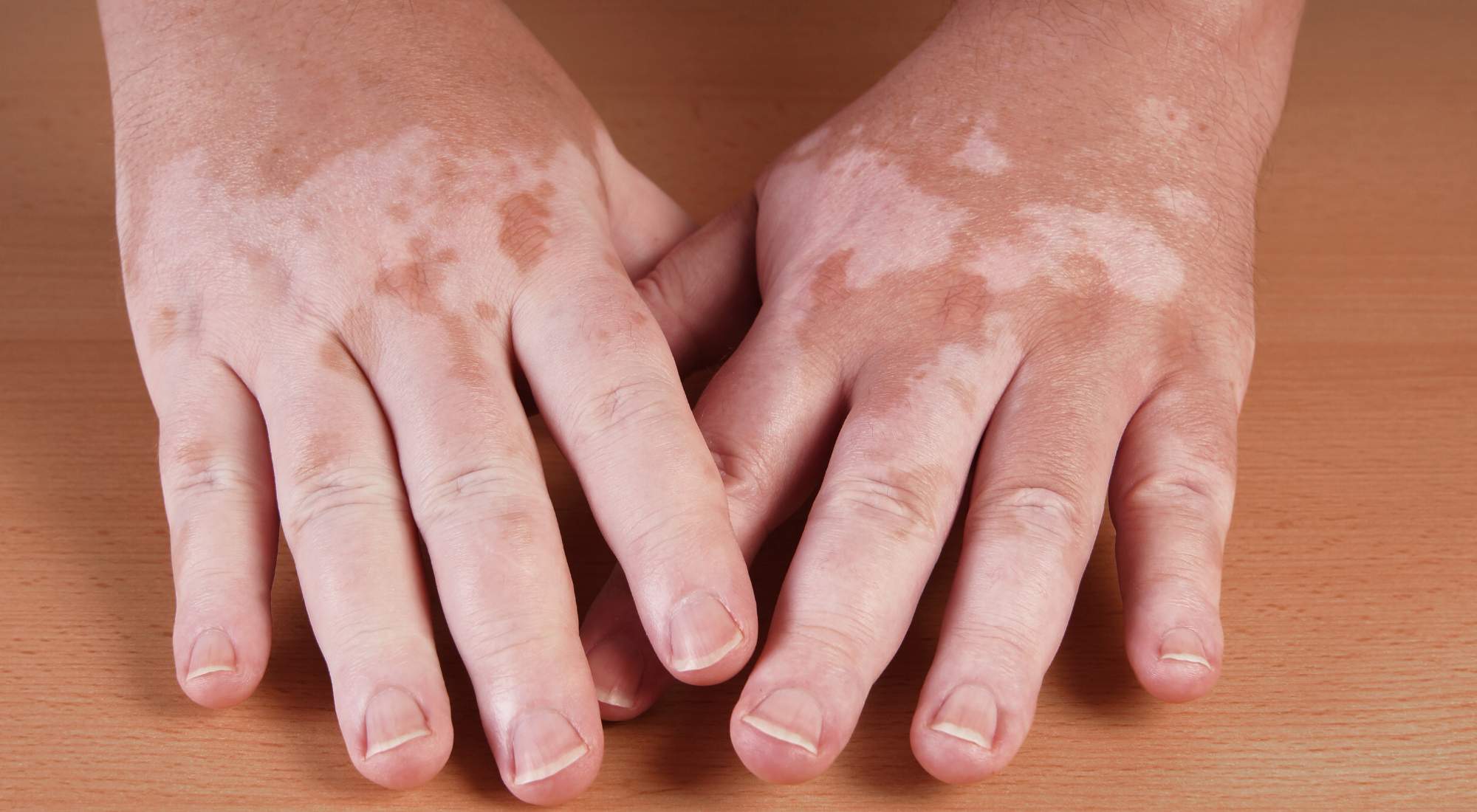
Generalized Vitiligo

Segmental Vitiligo

Focal Vitiligo
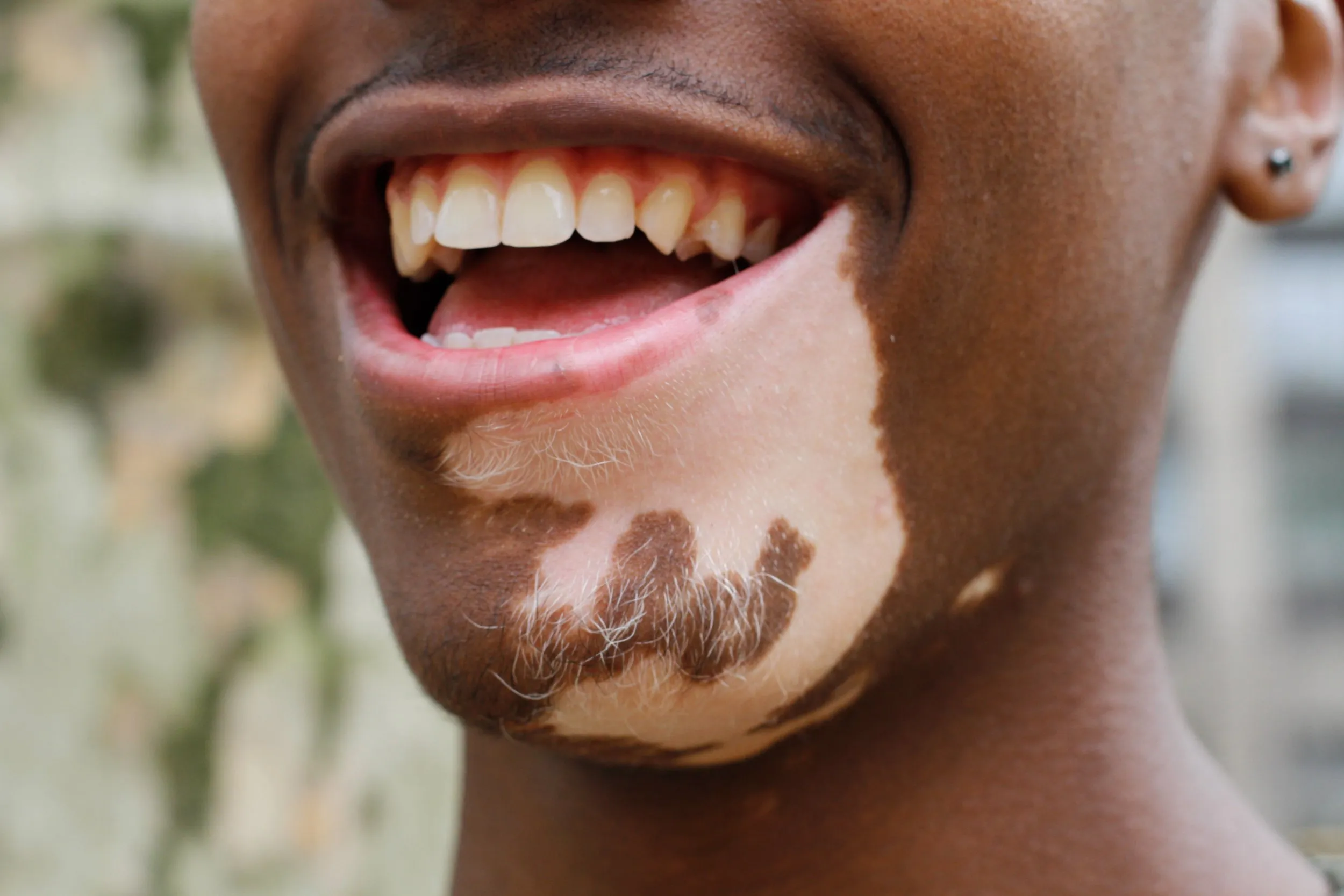
Acrofacial Vitiligo
Universal Vitiligo
Our Treatment Procedure
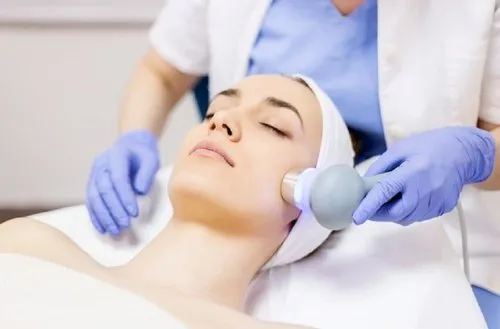
Our clinic offers laser therapy as a cutting-edge treatment for vitiligo. This method focuses on stimulating melanocyte activity to restore pigmentation in affected areas.
Each case is carefully evaluated by our healthcare professionals to determine the most suitable approach. The treatment plan is personalized based on factors such as the extent of pigmentation loss, the patient’s skin type, and overall health.
How It Works:
Treatment is painless
Laser therapy targets the affected areas to encourage repigmentation.
Multiple sessions may be required, depending on individual response to treatment.