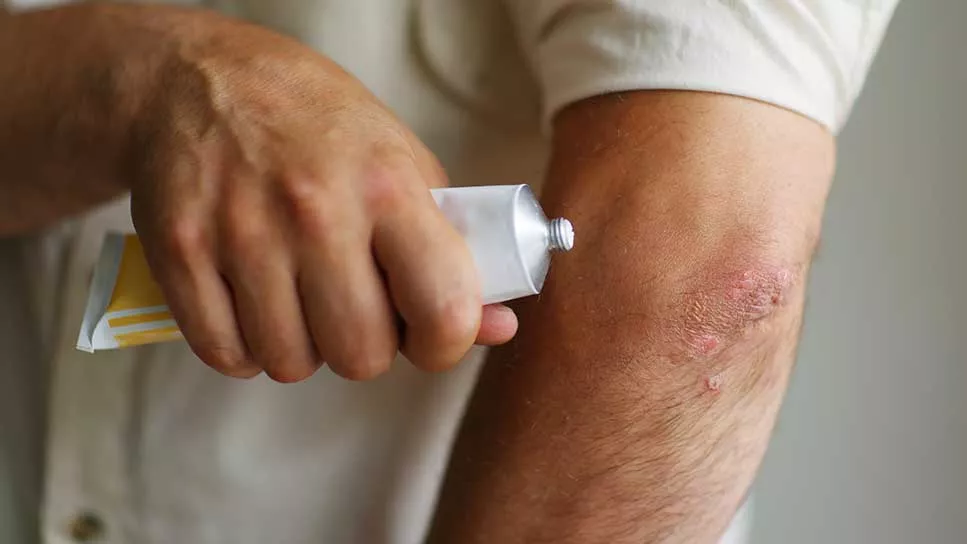
Chronic eczema, also known as atopic dermatitis, is a long-term inflammatory skin condition that causes redness, itching, dryness, and irritation.
It is a persistent condition that can flare up periodically due to various triggers, such as allergens, stress, or weather changes.
While eczema is not contagious, it can significantly impact daily life by causing discomfort and affecting skin appearance.
What is Chronic Eczema?
Chronic eczema is a condition where the skin’s natural barrier is weakened, making it more sensitive to irritants and allergens. It is often linked to an overactive immune response that causes inflammation, leading to red, itchy, and scaly skin.
Eczema can develop at any age, but it is most common in children and may continue into adulthood. The severity of symptoms varies from mild dryness to severe itching and thickened skin.
Although the exact cause is unknown, eczema is believed to result from a combination of genetic, environmental, and immune system factors.
Symptoms & Causes
Symptoms
• Red or brownish patches, especially on the hands, feet, neck, and elbows
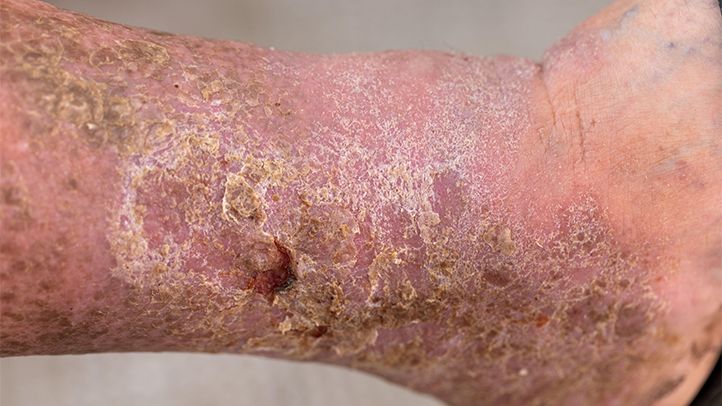
• Thickened, cracked, or scaly skin
• Oozing or crusting in severe cases
• Increased sensitivity to irritants
Causes
• Genetics: A family history of eczema, asthma, or allergies increases the risk.
• Immune system dysfunction: An overactive immune response causes inflammation.
• Environmental triggers: Allergens, irritants, cold weather, and stress can worsen symptoms.
• Skin barrier dysfunction: The skin loses its ability to retain moisture, making it prone to irritation.
Types of Chronic Eczema
Chronic eczema can present in different forms, including:
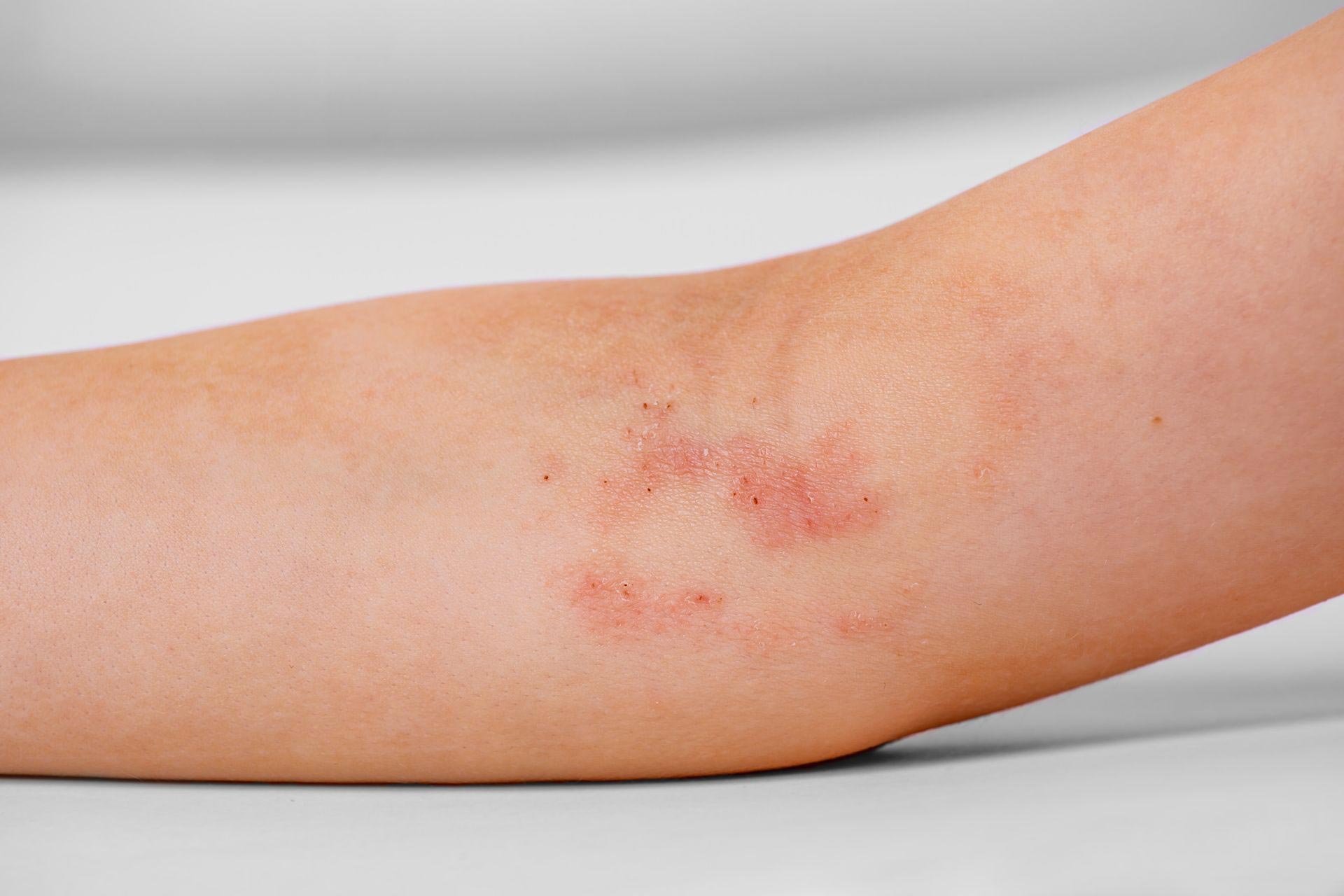
Atopic Dermatitis
Contact Dermatiti
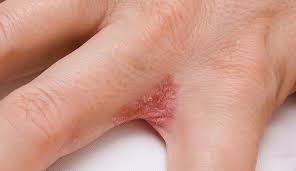
Dyshidrotic Eczema
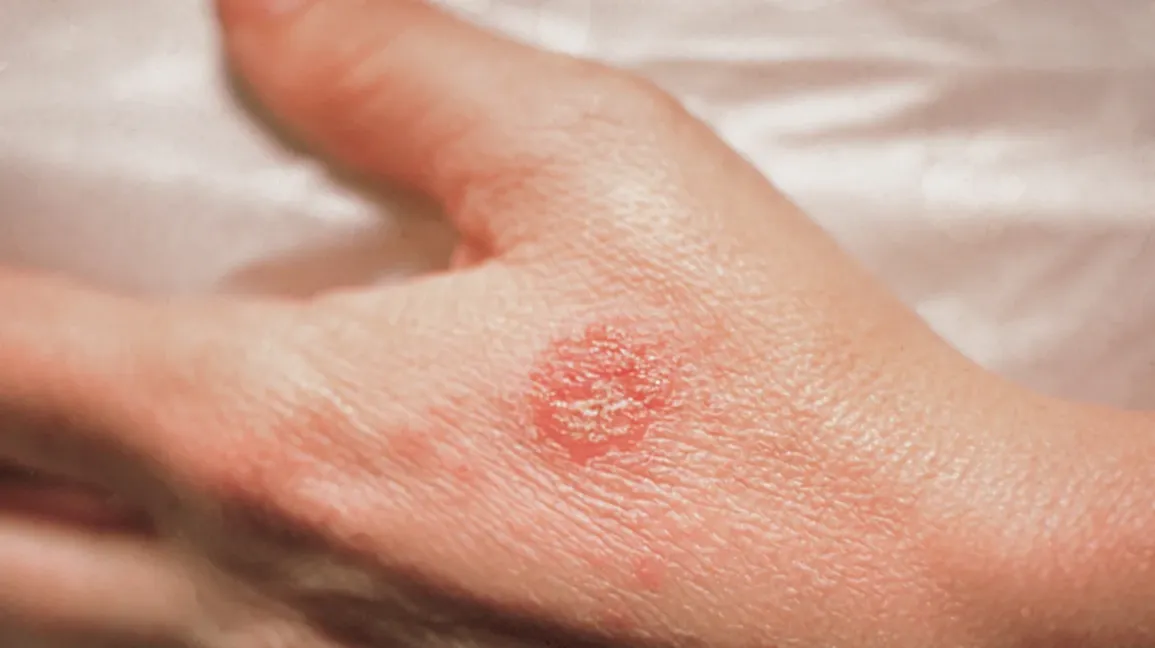
Nummular Eczema
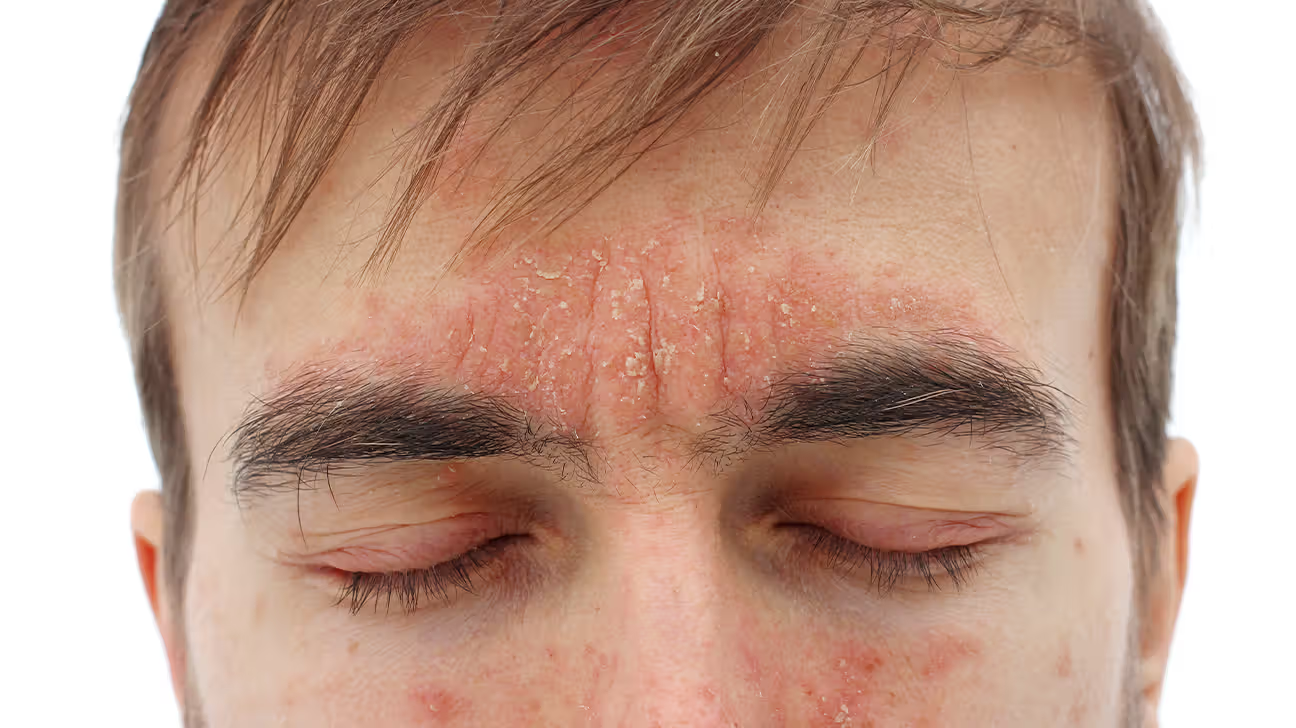
Seborrheic Dermatitis
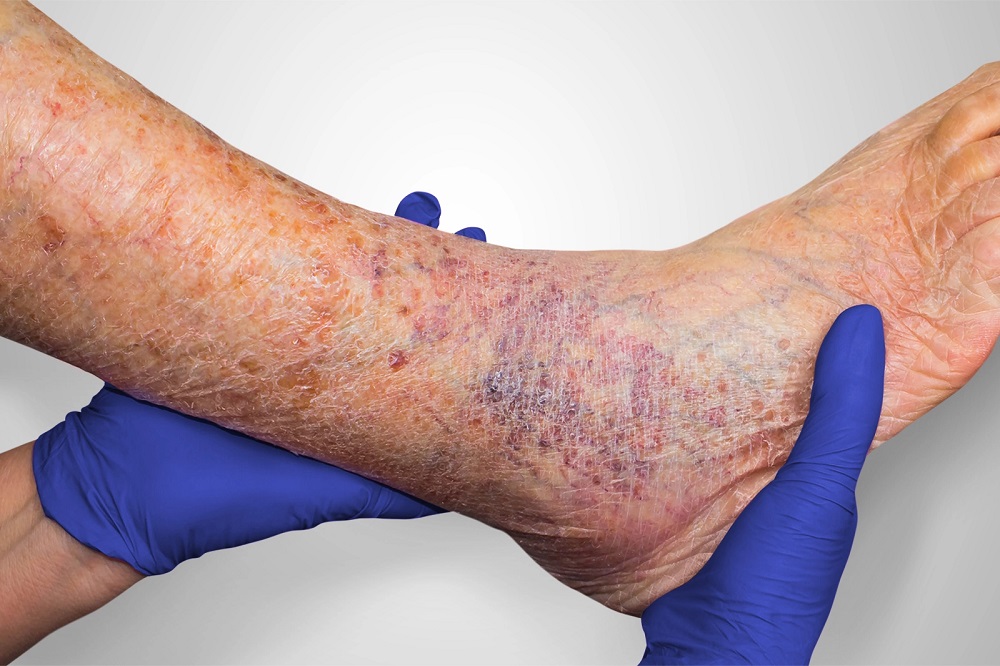
Stasis Dermatitis
Our Treatment Procedure
Our clinic offers laser therapy as a cutting-edge treatment for chronic eczema. This method focuses on reducing inflammation, soothing the skin, and improving its natural barrier function.
Each case is carefully evaluated by our healthcare professionals to determine the most suitable approach. The treatment plan is personalized based on factors such as the severity of symptoms, the patient’s skin type, and overall health.
How It Works:
Laser therapy targets the affected areas to reduce inflammation and promote skin healing.
Multiple sessions may be required, depending on individual response to treatment.
Treatment is painless