

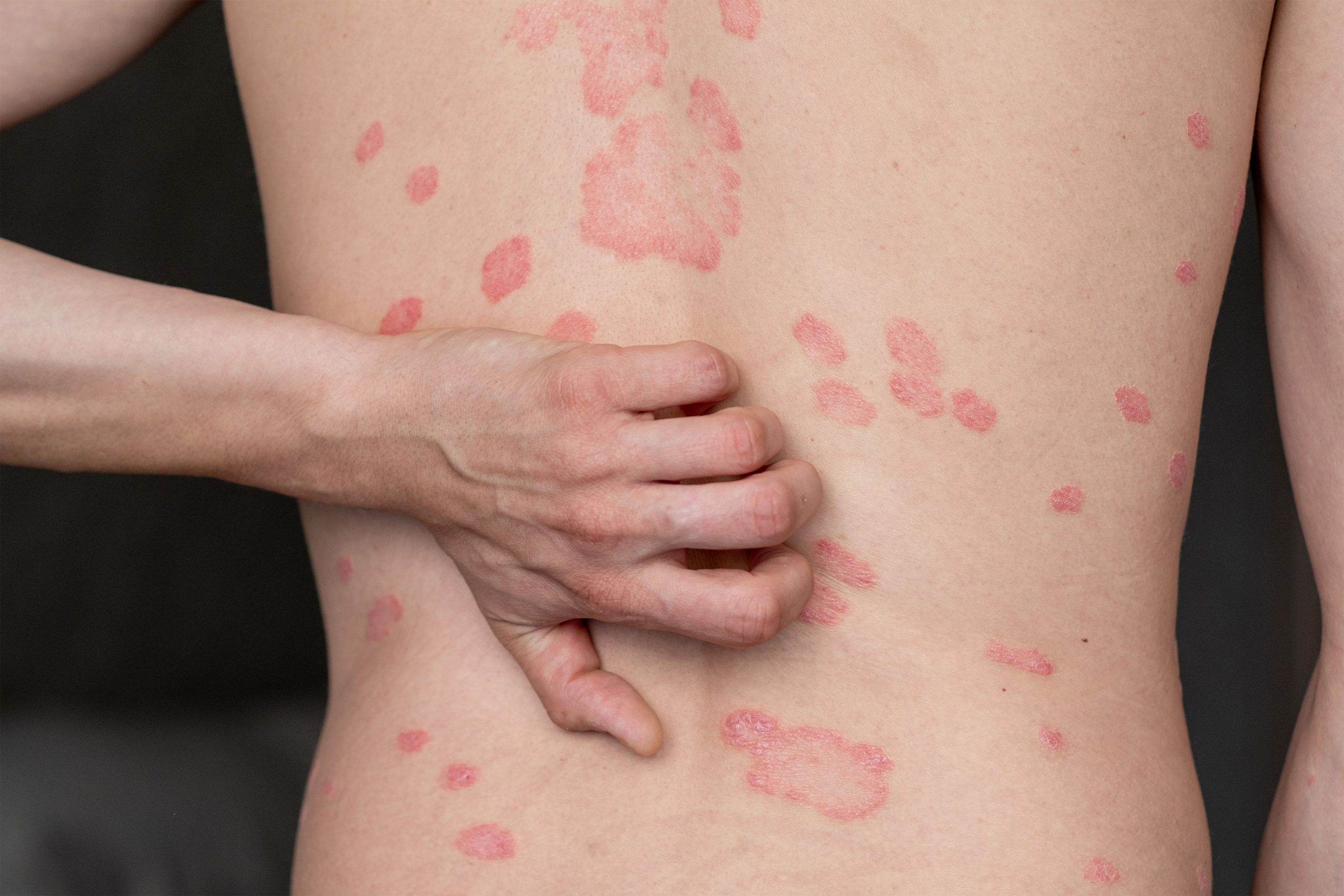
Psoriasis is a chronic autoimmune skin condition that causes the rapid buildup of skin cells, leading to scaling, inflammation, redness, and itching.
It is a long-term condition that can flare up periodically due to various triggers, including stress, infections, or environmental factors.
While it is not contagious, psoriasis can significantly affect a person’s quality of life.
What is Psoriasis?
Psoriasis is a disorder where the immune system triggers an overproduction of skin cells. Normally, skin cells renew themselves every few weeks, but in psoriasis, this process happens in just a few days, leading to a buildup of scaly patches. The condition can affect any part of the body, including the scalp, elbows, knees, and nails.
While the exact cause of psoriasis is unknown, it is believed to be linked to genetic and immune system dysfunctions. The severity of the condition varies, with some experiencing mild symptoms and others developing widespread inflammation.
Symptoms & Causes
Symptoms
• Red, inflamed patches of skin covered with silvery-white scales
• Dry, cracked skin that may bleed
• Itching, burning, or soreness in affected areas
• Thickened or ridged nails
• Stiff or swollen joints in cases of psoriatic arthritis
Causes
• Immune system dysfunction: The body mistakenly attacks healthy skin cells, leading to excessive production.
• Genetics: A family history of psoriasis increases the risk.
• Triggers: Stress, infections, cold weather, certain medications, and skin injuries can cause flare-ups.
Types of Psoriasis
Psoriasis is classified into different types based on its characteristics:
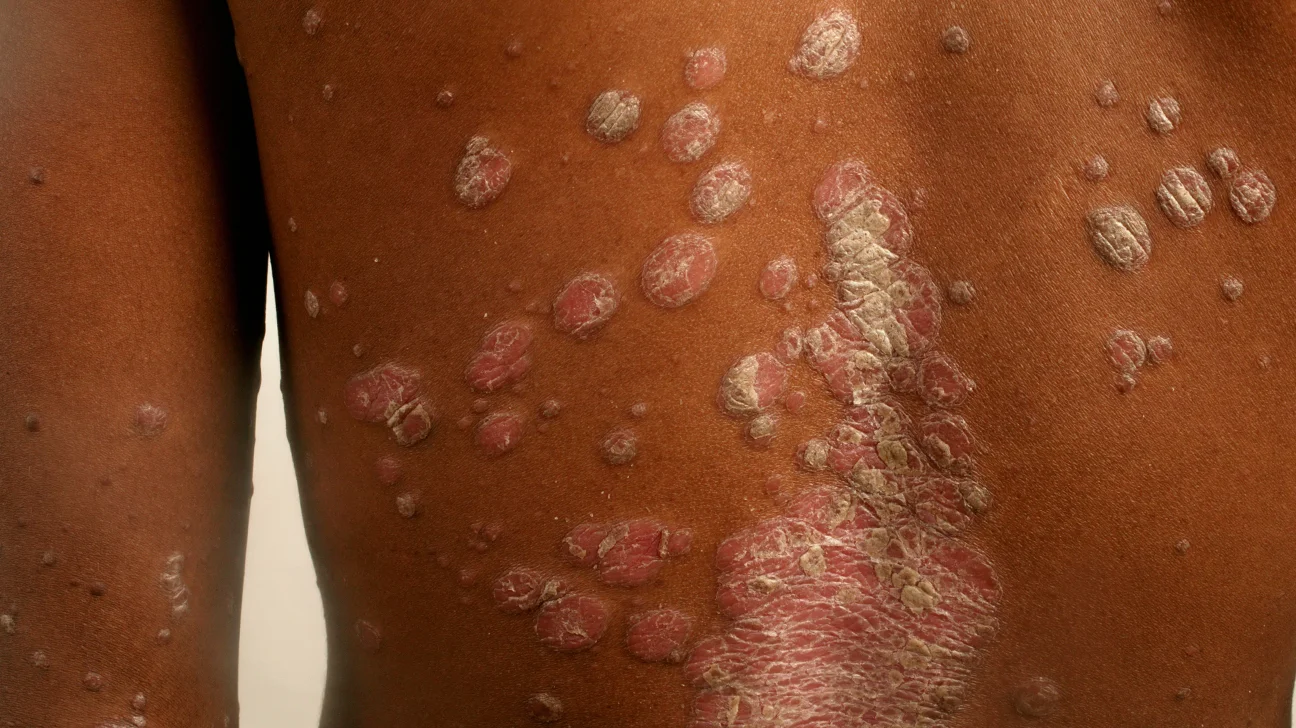
Plaque Psoriasis (Psoriasis Vulgaris)
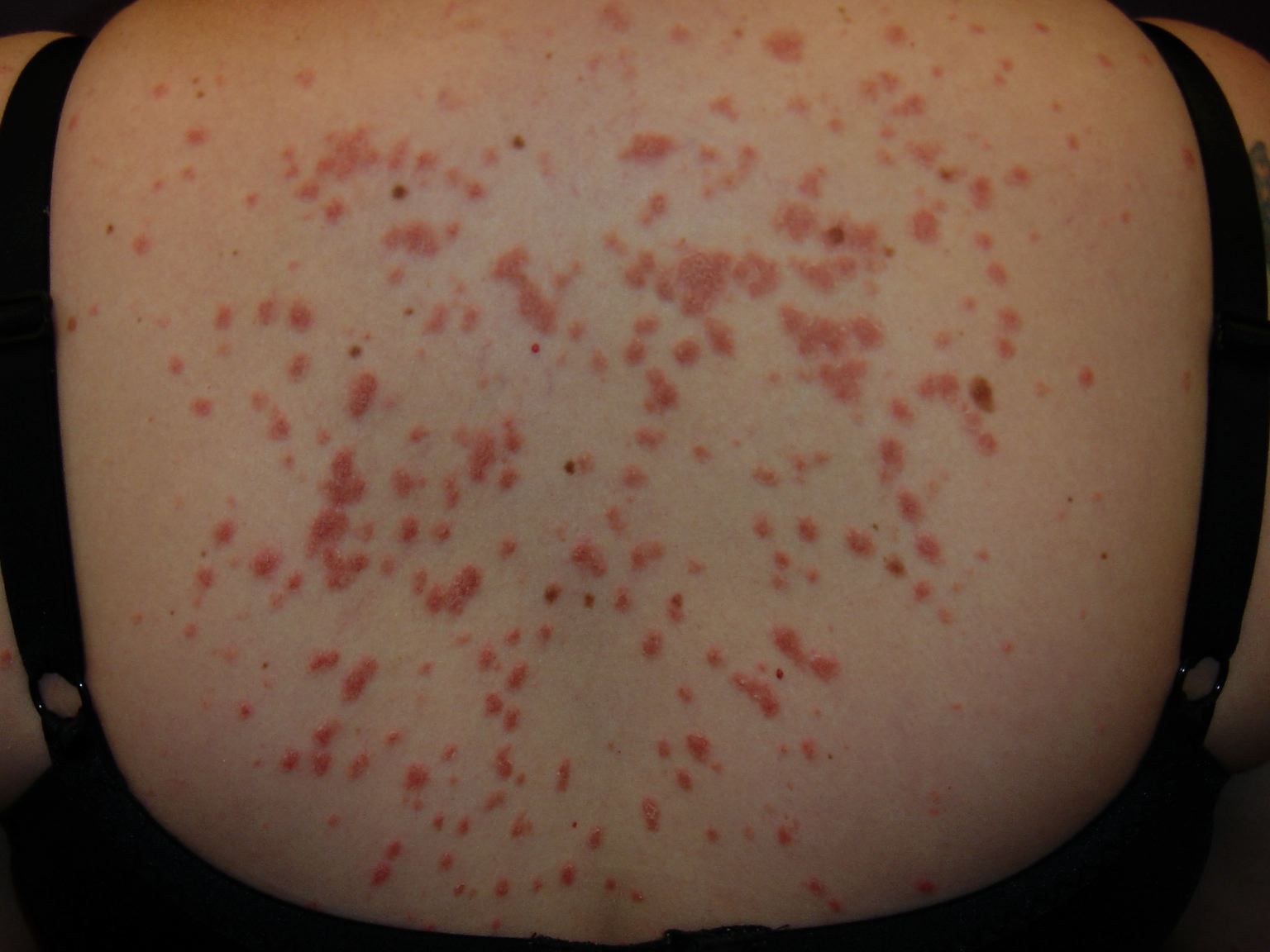
Guttate Psoriasis
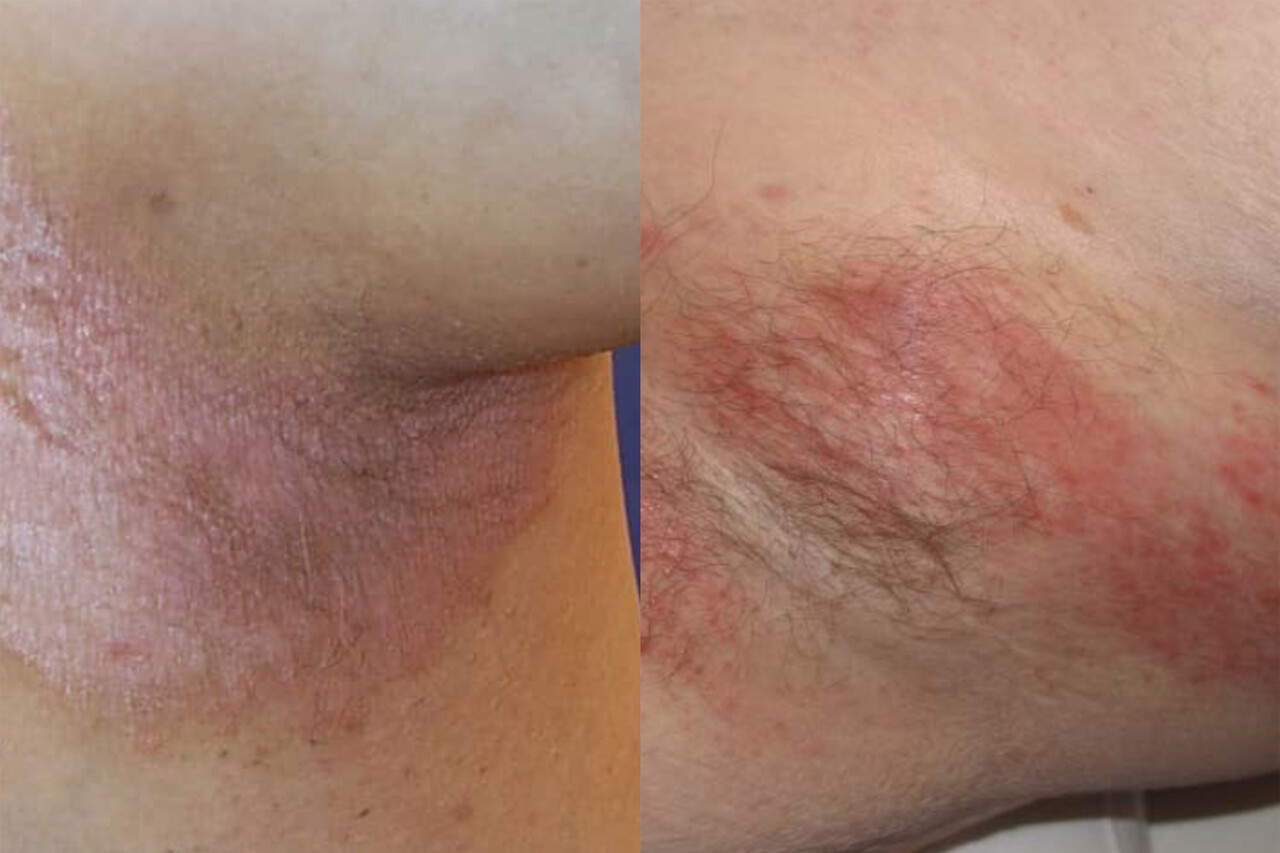
Inverse Psoriasis

Erythrodermic Psoriasis
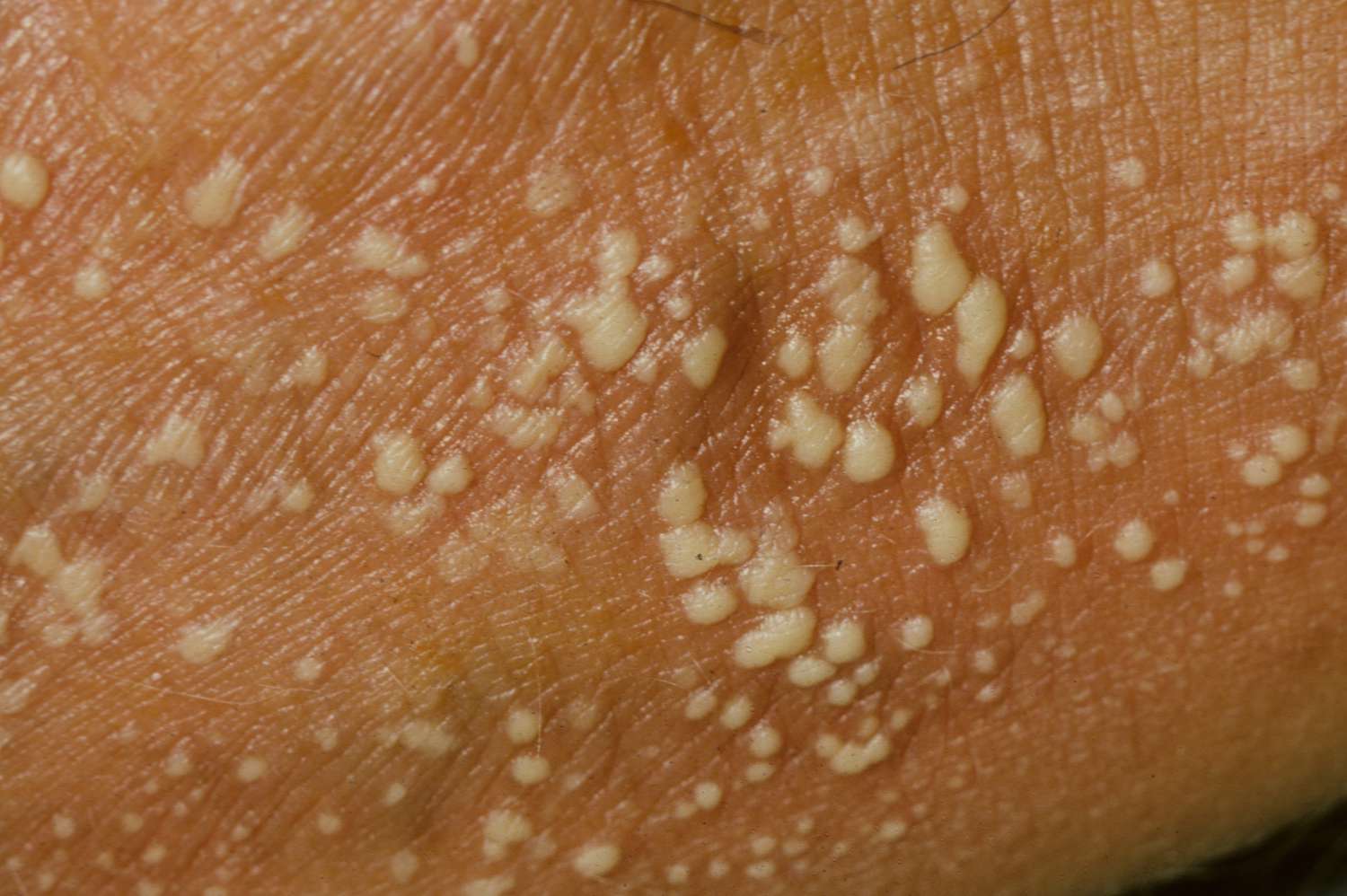
Pustular Psoriasis
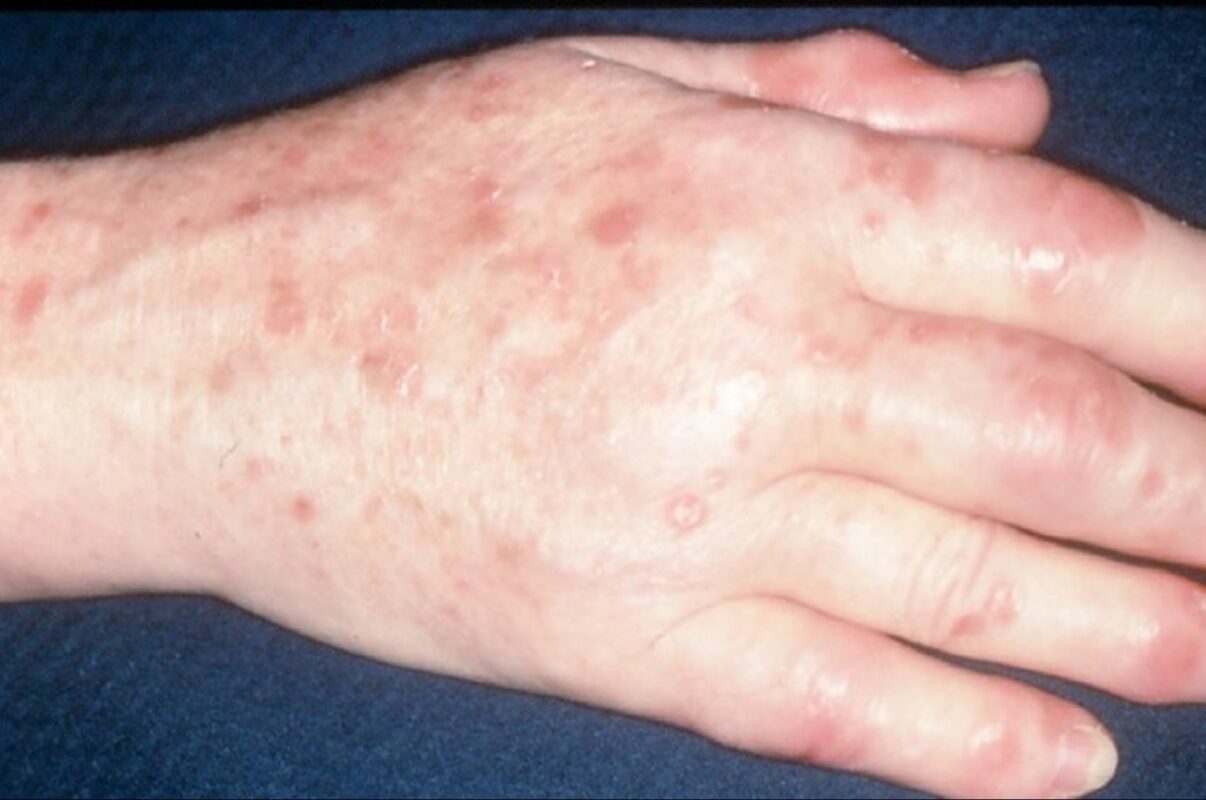
Psoriatic Arthritis
Our Treatment Procedure
Our clinic offers laser therapy as a cutting-edge treatment for psoriasis. This method focuses on reducing inflammation and slowing down excessive skin cell production in affected areas.
Each case is carefully evaluated by our healthcare professionals to determine the most suitable approach. The treatment plan is personalized based on factors such as the severity of the condition, the patient’s skin type, and overall health.
How It Works:
Laser therapy targets the affected areas to reduce inflammation and slow cell turnover.
Multiple sessions may be required, depending on individual response to treatment.
Treatment is painless
